The Elegant Charm of Ronald Smith: A Modern Calligraphy Font
In the digital world of typography, where thousands of fonts compete for attention, some stand out not just for their utility but for their ability to evoke emotion and style. The Ronald Smith font is one such typeface. It feels equally charming and elegant, a stunning script font that offers a stylish homage to classic calligraphy. This article explores this beautiful font from the ground up, examining its purpose, its significance in design, and its vast practical relevance for anyone looking to add a touch of authentic elegance to their projects.
What is the Ronald Smith Font?
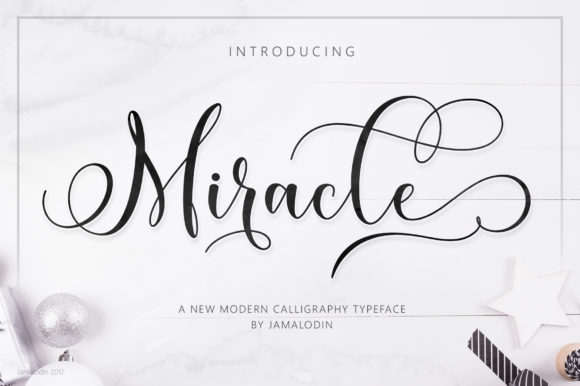
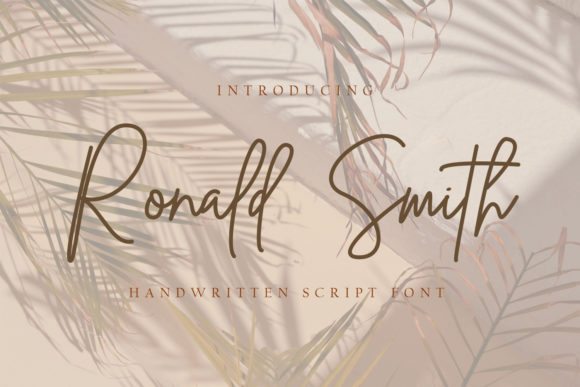
At its core, Ronald Smith is a digital script font. Script fonts are designed to mimic handwriting or calligraphy, ranging from casual scribbles to formal, ornate lettering. Ronald Smith falls firmly into the latter category. It captures the essence of traditional penmanship—the flowing strokes, the graceful connectors, the varied thickness—and translates it into a usable, scalable digital format. Its design balances accessibility with artistry; it is legible enough for practical use yet possesses enough flourish to feel special and personalized.
The name itself suggests a personal touch, perhaps nodding to an imagined or real calligrapher whose style it embodies. This connection to a human hand is key to its appeal. Unlike many cold, geometric digital fonts, Ronald Smith invites the viewer to feel the presence of a creator, offering an authentic feel that is hard to replicate with more standard typefaces.
The Purpose and Significance of Elegant Script Fonts
Why do fonts like Ronald Smith matter? Typography is not merely about conveying words; it’s about conveying tone, context, and identity. The purpose of a sophisticated script font is multifaceted.
- Emotional Resonance: It instantly elevates the emotional weight of a message. Words written in a beautiful script feel more heartfelt, more considered, and more celebratory.
- Branding and Identity: For businesses, especially in niches like luxury goods, weddings, or artisanal products, such a font can be a cornerstone of a visual identity that whispers quality and care.
- Historical and Artistic Connection: It serves as a bridge between modern digital design and centuries-old artistic traditions of calligraphy, keeping that craft alive in contemporary mediums.
In a broader sense, fonts like Ronald Smith celebrate the beauty of the written word itself. They remind us that text can be art, not just information.
Common Misunderstandings About Script Fonts
Before diving into its uses, it’s helpful to clarify some common assumptions. Many people believe script fonts are:
- Difficult to Read: While some ornate scripts can challenge legibility, well-designed fonts like Ronald Smith prioritize clarity within their stylish form. They are crafted for key applications where readability is paramount.
- Only for Formal Events: Their use is far broader. While perfect for weddings, they also bring elegance to everyday items like journal headers or social media quotes.
- Not Professional: On the contrary, in the right context—such as a boutique brand or a creative studio—they project a highly professional image of sophistication and attention to detail.
Understanding these points helps in deploying the font effectively and confidently.
Practical Relevance: Where Ronald Smith Shines
The true value of Ronald Smith is realized in its application. Its authentic feel makes it a versatile tool for creators across many fields. Let’s explore its fit into modern creative life.
Creating Gorgeous Wedding Invitations
This is perhaps the most classic and perfect application. A wedding invitation sets the tone for the entire event. Using Ronald Smith for the names, dates, and key phrases instantly communicates romance, tradition, and elegance. It transforms a standard card into a keepsake. Designers can pair it with simpler sans-serif fonts for body text to ensure all details are clear, letting the script shine where it matters most.
Beautiful Stationery Art
Beyond invitations, the font elevates any stationery project. Think of:
- Custom thank-you notes
- Personalized letterheads
- Monogrammed designs
- Art prints featuring inspirational quotes
In a world of mass-produced paper goods, using a font with this character adds a layer of perceived—and actual—craftsmanship.
Eye-Catching Social Media Posts
In the fast-scrolling landscape of social media, visual appeal is critical. Using Ronald Smith for key text in Instagram graphics, Pinterest pins, or Facebook banners can make content stand out. A motivational quote, a promotional headline for a creative business, or a festive holiday greeting rendered in this font captures attention and encourages engagement through its beauty. It helps brands and individuals cultivate a curated, aesthetic online presence.
Cute Greeting Cards
For birthdays, holidays, or just-because notes, greeting cards are a personal touchpoint. Ronald Smith brings warmth and charm to these messages. Its style can adapt from jubilant (for birthdays) to tender (for condolences), proving its emotional range. Digital designers creating printable cards or small businesses selling physical cards find this font an invaluable asset.
Fitting into Modern Life, Business, and Technology
How does a font rooted in classic calligraphy fit into our contemporary digital ecosystem? Seamlessly. The proliferation of design software—from professional tools like Adobe Illustrator to user-friendly platforms like Canva—has democratized access to beautiful typography. Ronald Smith, as a downloadable font file, can be installed and used by anyone, from a professional graphic designer to a hobbyist planning her daughter’s wedding.
In business, it supports the growing trend of personalization and authenticity. Consumers are drawn to brands that feel human and crafted. A cafe using Ronald Smith for its menu specials board, a jewelry brand using it for its logo, or an online course using it for its certificates—all leverage its elegance to build a trusted, desirable image.
In education and creativity, it serves as an inspiration. Teachers might use it to create visually engaging materials, while art students might study its forms to understand the translation of analog art into digital design. It bridges the gap between technology and traditional art skills.
Getting Inspired: Tips for Using Ronald Smith Effectively
Get inspired by its authentic feel, as the description suggests, but inspiration needs direction. Here are some tips for using this font to its full potential:
- Pair with Contrast: Combine it with a clean, minimalist font for body text. This allows the script to be the star without overwhelming the reader.
- Mind the Size: Use it at a size that allows its details to be appreciated. Too small, and the flourishes may blur; too large, and it might dominate.
- Choose Color Wisely: Classic inks like deep navy, burgundy, gold, or soft pastels often complement its traditional feel better than stark neon colors.
- Leave Space: Give it room to breathe in your layout. Its elegance is enhanced by thoughtful whitespace.
- Use for Emphasis: Apply it primarily to headlines, names, important dates, or short phrases—not for long paragraphs.
Remember, the goal is to let the font’s inherent charm and elegance do the work for you.
Building a Broader Understanding of Typography
Exploring a font like Ronald Smith opens a door to the wider, fascinating world of typography. It illustrates how typeface choice is a fundamental part of communication design. Understanding that different fonts carry different psychological weights—a script evokes tradition and care, a sans-serif evokes modernity and clarity—empowers anyone creating visual content.
This knowledge is practical. Whether you’re designing a flyer, crafting a website, or simply making a card, your font choice is as important as your color choice or imagery. Ronald Smith serves as a perfect case study in how a well-designed font, with clear intent and beautiful execution, can become a versatile tool in a creator’s toolkit, enriching projects across personal, professional, and artistic realms.
The Lasting Appeal of the Human Touch
Ultimately, the enduring relevance of fonts like Ronald Smith speaks to a deeper need in our digitized age: the desire for the human touch. In a landscape of perfect, repeatable pixels, we crave the irregularity, the flow, the personality of the hand-made. This font, and others like it, fulfill that craving digitally. They allow us to inject warmth, history, and artistry into our messages, making our invitations more romantic, our stationery more beautiful, our posts more eye-catching, and our cards more cute. It is a stunning script font, indeed, and its charm lies not just in its letters but in the feeling it conveys—a feeling of considered, elegant, and authentic creation.