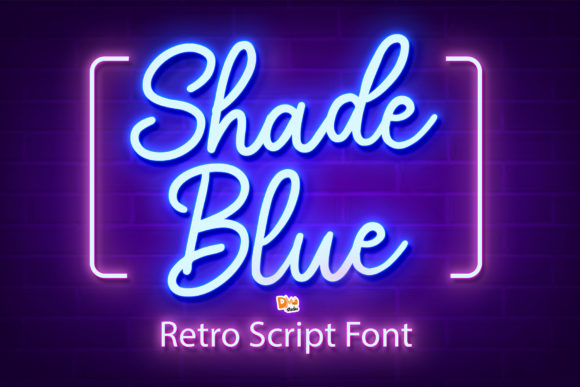
Shade Blue: The Retro Script Font with Modern Versatility
You’re designing a poster for a neighborhood block party, or maybe crafting the header for your small business’s Instagram post. You want something that feels special, a bit nostalgic, but also clear and approachable. This is the exact moment a font like Shade Blue steps in. Shade Blue is a retro styled script font, but its design sensibility is surprisingly broad. It captures the warmth and personality of classic handwritten signage without the potential roughness or inconsistency of actual penmanship. The result is a digital typeface you can rely on to add character instantly.
Where Character Meets Function
What separates a useful decorative font from a merely pretty one is its ability to integrate seamlessly into your workflow. Shade Blue isn’t just a single flourish for a giant title; its construction allows it to play various roles. The script style evokes a specific era—think mid-century diner signs, vintage product labels, or old family recipe cards. Yet, because it’s crafted as a consistent font, it avoids looking messy or illegible when used for more than a few words. This balance is its core strength.
Consider a freelance graphic designer putting together a logo for a new craft brewery. They need a primary mark that suggests authenticity and hand-crafted quality. Using Shade Blue for the brewery’s name can achieve that instantly, establishing a mood before any illustration is added. Later, the same designer might use Shade Blue in smaller doses on the beer can label—for the phrase “Limited Batch” or “Family Recipe”—creating cohesive branding without overuse.
Practical Applications Across Projects
Let’s move beyond design theory and into the daily situations where Shade Blue becomes a practical tool.
For the small business owner running their own social media, time is scarce. Creating engaging posts that stand out from generic text updates is a constant challenge. Using Shade Blue for the first line of a Facebook announcement, or for highlighting the daily special in a restaurant’s Instagram story, adds visual appeal without requiring a full graphic design session. It turns a text update into a branded piece of content.
Educators and bloggers often create their own materials. A history teacher designing a worksheet about the 1950s can use Shade Blue for the title, immediately setting a visual tone for the lesson. A lifestyle blogger writing a post about vintage homemaking tips can use the font within their blog graphics to visually echo the content’s theme, deepening the reader’s experience.
In the world of advertising and posters, first impressions are everything. A community theater group promoting their summer musical needs a poster that grabs attention on a crowded bulletin board. The title of the show rendered in Shade Blue conveys a sense of performance and artistry from the first glance. Similarly, a local garage sale ad pinned to a lamppost gains a touch of friendly, personal invitation when its main headline uses this approachable script.
Thinking Before You Apply
Like any tool with a distinct style, Shade Blue is most effective when used with intention. Before applying it wholesale, consider its role in your overall communication.
Legibility is paramount. While Shade Blue is designed for clarity, script fonts are generally best for headlines, short phrases, or emphasis, not for long body paragraphs. Using it for a key sentence on your website is powerful; using it for your entire “Terms of Service” page would be a mistake. Think of it as a spice, not the main ingredient.
Also, consider the emotional tone you’re aiming for. Shade Blue’s retro style leans towards warmth, nostalgia, authenticity, and personal touch. It’s excellent for a family-owned café, a handmade jewelry brand, or a personal project celebrating a milestone. It might feel less appropriate for a corporate financial report or a tech manual aiming for stark neutrality. Matching the font’s personality to your project’s intent is key.
Versatility in Digital and Physical Spaces
One of the advantages of a well-made digital script font is its adaptability across mediums. Shade Blue can perform equally well on a screen and on paper.
A marketer crafting an email campaign for a retro-themed product line can use Shade Blue in the email’s header graphic to create immediate theme recognition. The same font can then be used on the physical product packaging, ensuring brand consistency from the digital ad to the physical item in the customer’s hand.
Hobbyists and everyday users find value here too. Creating a custom T-shirt for a family reunion? The family name rendered in Shade Blue on the design software translates perfectly to the printed shirt. Designing invitations for a milestone birthday party? The font adds a unified, crafted feel to both the digital invitation sent via email and the physical copies mailed to older relatives.
This cross-medium reliability removes a layer of uncertainty. You don’t have to worry that the charming script you chose on your computer will look distorted or awkward when printed or viewed on a mobile device.
The Outcome of a Consistent Character
Ultimately, choosing a font like Shade Blue is about investing in a specific kind of outcome: recognizable character. When you use it consistently across your materials, you’re not just making things look “nice.” You’re building a visual shorthand.
Your audience begins to associate that friendly, retro script style with your message or brand. The local café’s weekly special board, always written with Shade Blue in their online posts and in-store signage, becomes instantly identifiable. The freelance illustrator who uses Shade Blue for their project titles on their portfolio site creates a subtle but memorable signature element that makes their work stand out in a crowded field.
It solves a practical problem for the non-designer—how to add reliable, themed aesthetics—and offers a strategic tool for the professional—how to quickly establish mood and cohesion. Whether your project is a single social media post or an entire branding suite, Shade Blue provides a bridge between the nostalgic charm of handwritten style and the modern need for clean, versatile digital assets. It’s a reminder that sometimes, the right tool isn’t about offering endless options, but about providing one perfect solution for a wide range of very real needs.