Evaluating the Splant Script Font: A Design Professional's Perspective
In the diverse world of typography, script fonts occupy a special niche, offering personality and flair that more utilitarian typefaces often lack. Among these, Splant presents itself as a notable option for designers seeking a blend of elegance and versatility. Its characteristics suggest it aims to serve a specific set of needs within the broader category of decorative and handwritten-style fonts. This article provides a practical exploration of what defines Splant, its potential applications, and the considerations one should weigh when deciding if it is the appropriate tool for a project.
The Defining Characteristics of Splant
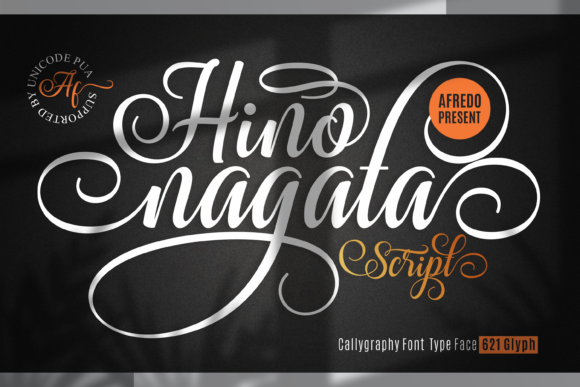
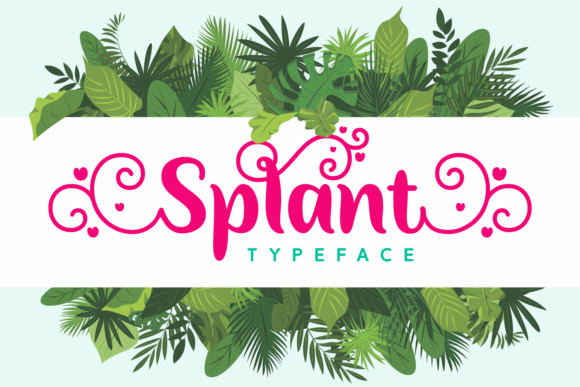
At its core, Splant is a script typeface. Script fonts generally emulate the flow and connectivity of handwritten calligraphy, ranging from formal copperplate styles to casual, brush-script looks. Splant appears to sit comfortably within a space that balances charm with a structured elegance. The mention of "gorgeous swashes and ligatures" is a key technical detail. Swashes are the decorative extensions on letterforms, often found on terminal strokes, while ligatures are specially designed combinations of two or more characters that flow together to avoid awkward collisions.
This combination is significant. A font rich in swashes and ligatures offers a high degree of decorative control. A designer can use the standard character set for cleaner lines and then employ the swash variants to introduce flourish and emphasis at specific points—perhaps on the first and last letters of a word or in a headline. This moves Splant beyond being a single, static style into a more customizable tool. Furthermore, its PUA (Private Use Area) encoding is a practical feature for users. PUA encoding assigns these special glyphs—the alternate swashes and ligatures—to specific, unused code slots within a font file, allowing software like Adobe Illustrator or Photoshop to access them easily through glyph panels or character maps, without requiring complex OpenType programming knowledge from the end user.
Versatility and Primary Use Cases
The claim of versatility for any script font warrants a closer look. Versatility in typography often means a font can perform adequately across different contexts without losing its core identity. For Splant, its charm and elegance likely steer it towards applications where a touch of sophistication or personalization is desired.
Realistic applications include:
- Stationery and Wedding Suites: This is a classic domain for elegant scripts. Splant's swashes could be beautifully employed on invitation headers, monograms, or envelope addressing, contributing to a curated, bespoke feel.
- Branding for Niche Products: Brands in sectors like artisan cosmetics, specialty coffees, boutique hospitality, or independent publishing might find Splant a fitting choice for a logo or primary branding element. It can convey craftsmanship and attention to detail.
- Accent and Decorative Typography within Larger Systems: In a broader brand identity using a neutral sans-serif for body text, Splant could serve as a contrasting accent font for pull-quotes, special campaign headers, or product names on packaging.
However, it's crucial to consider limitations. While versatile within its decorative realm, a font like Splant is almost certainly not suited for extended body text, user interface elements, or any context requiring high legibility at small sizes or under quick reading conditions. Its strengths are in display and accent roles.
Comparison with Alternative Approaches and Styles
When evaluating Splant, designers naturally compare it to other options. Rather than naming specific competitor fonts, it's more helpful to consider the broader categories and stylistic tradeoffs.
One major axis of comparison is formality versus casualness. Some script fonts are extremely formal, with strict, uniform baselines and precise, geometric swashes. Others are loose, irregular, and mimic quick hand-drawn notes. Splant, described as both "charming" and "elegant," seems to target a middle ground. It may be less rigid than a traditional copperplate script but more structured than a playful brush script. This makes it a candidate for projects that need warmth without becoming overly informal.
Another comparison point is the depth of glyph set and technical implementation. A script font with extensive alternates and ligatures (like Splant appears to have) offers more design control than a simpler script with only basic characters. However, this richness requires the designer to invest time in learning to access and apply these glyphs effectively. A font with fewer features might be quicker to implement. The PUA encoding in Splant is a benefit here, simplifying access compared to fonts where special features require memorizing complex OpenType feature codes.
Finally, one might compare using a ready-made font like Splant against commissioning custom lettering. For a truly unique logo, custom hand-lettering by an artist is unbeatable. However, it is costly and time-intensive. A font like Splant, with its array of swashes and alternates, provides a compromise: it allows for customization and variation within a consistent system, at a fraction of the cost, and with the scalability inherent to a digital typeface.
Key Decision Factors for Choosing a Script Font
If you are considering Splant or any script font for a project, several practical factors should guide your decision.
- Project Tone and Audience: Does the "charming and elegant" tone of Splant align perfectly with your brand voice or event theme? If your project demands stark modernity, brutalist aesthetics, or extreme casualness, another direction may be better.
- Technical Skill and Software: Will you or your team be comfortable using glyph panels to select alternate characters? The benefits of Splant's wealth of features are only realized if you can efficiently use them. For very fast-paced workflows with less typographic expertise, a simpler font might prevent frustration.
- Application Scope: Is the font needed solely for a few headline logos, or will it be applied across dozens of different materials? The more extensive the application, the more valuable a robust set of alternates becomes, as it helps maintain visual interest and avoid repetition.
- Legibility Requirements: As noted, script fonts are primarily for display. Confirm that any usage, especially in logos, maintains clear readability at the sizes it will be used. Test Splant in context.
When Splant Is the Right Fit, and When to Look Elsewhere
Based on its described attributes, Splant is likely an excellent fit for specific scenarios. It would be a strong candidate for designers working on projects that require a personalized, elevated aesthetic without venturing into extreme formality or whimsy. A wedding planner designing high-end invitations, a small business owner crafting a brand for a luxury artisan product, or a graphic designer developing a visual identity for a lifestyle blog seeking a sophisticated touch—all might find Splant meets their needs effectively. Its PUA encoding makes its special features accessible, and its blend of charm and elegance provides a specific, useful mood.
Conversely, there are clear situations where one should likely consider alternatives. If the project requires a font for long-form reading, such as website body text or a book interior, a script font like Splant is unsuitable. Similarly, for projects targeting a high-tech, minimalist, or gritty urban audience, the inherent decorative nature of Splant might send an conflicting message. Also, if the budget or timeline is extremely constrained and there's no capacity to explore glyph panels and customize letterforms, a less complex script—or even a different category of typeface entirely—would be a more pragmatic choice.
In the end, choosing a typeface like Splant is about matching tool to task. Its strengths in swashes, ligatures, and accessible encoding are tangible benefits for the right user and the right project. By understanding its position within the spectrum of script fonts, its ideal applications, and its inherent limitations, designers can make a more informed, confident decision. It is not a universal solution, but for those projects where its particular balance of charm and elegance aligns with the creative goals, Splant offers a capable and rich resource to bring those visions to life.