Evaluating Marhamah: A Handwritten Font for Creative Projects
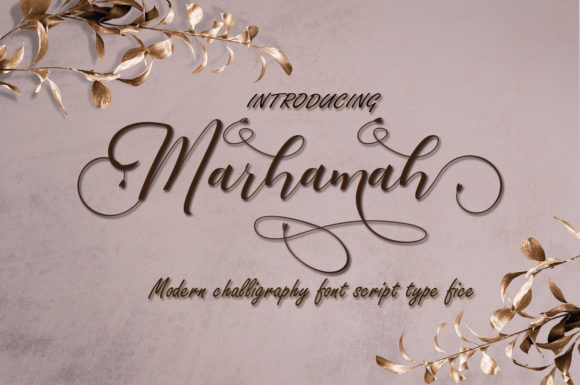
In the diverse landscape of digital typography, handwritten fonts occupy a unique niche, offering a bridge between digital design and personal expression. Marhamah is a font that falls distinctly into this category. It is defined as a beautiful handwritten script typeface designed to emulate the fluidity and character of calligraphy. Its core characteristics include a friendly, approachable feel, supported by a set of gorgeous swashes and ligatures. These ligatures—the flowing connections between specific letter pairs—and the ornamental swashes contribute significantly to its aesthetic versatility.
Key Attributes and Potential Benefits
The primary appeal of Marhamah lies in its ability to inject a sense of crafted humanity into digital projects. For designers and content creators, the benefits of using a font like Marhamah are tangible. Its handwritten nature can foster a perception of warmth, authenticity, and personal attention, which can be advantageous for brands or projects aiming to establish a relatable, intimate connection with their audience. The inclusion of swashes and ligatures allows for creative customization within word layouts, enabling users to elevate key words or phrases into more artistic focal points without needing manual illustration.
From a practical standpoint, Marhamah’s versatility is a noted strength. Its description often highlights suitability for fonts for Instagram posts, where visual appeal and distinctiveness are paramount, as well as for various DIY projects such as custom invitations, digital art, or personalized quotes. The font acts as a tool that can, as advertised, transform a basic creative idea into a more polished piece of art, potentially reducing the need for complex hand-drawn elements while maintaining a similar visual outcome.
Tradeoffs and Important Considerations
While the aesthetic benefits are clear, a balanced evaluation of Marhamah requires an understanding of its tradeoffs. Handwritten scripts, by nature, often prioritize style over maximal readability. The decorative ligatures and flowing baseline of Marhamah may present challenges when used for long blocks of body text, where clarity is the primary goal. It is generally best employed for headlines, logos, short quotes, or decorative accents.
Another consideration is compatibility and technical application. Users must verify that the font file includes the swash and ligature features in a format accessible to their chosen software. Not all design programs automatically utilize advanced OpenType features, so some manual intervention or software knowledge might be required to activate these special characters. Furthermore, the font’s distinctive style carries an expectation: it communicates a specific mood. Overuse in a context that demands neutrality or extreme formal professionalism could undermine a project’s intended tone.
Situations Where Marhamah is a Strong Fit
Marhamah is likely a compelling choice when the project goals align closely with its personality. It would be a strong fit for:
- Personal branding or small business visuals seeking a friendly, artisanal, or heartfelt identity.
- Design elements for social media content, particularly on platforms like Instagram, where visual personality drives engagement.
- Decorative text for event materials (weddings, craft workshops, community fairs) that emphasize a personal touch.
- Creative DIY projects where the user wants a calligraphic result without mastering physical calligraphy.
- Short, impactful headlines or product names that benefit from artistic embellishment.
When to Consider Alternatives
A critical part of selecting any font is knowing when to look elsewhere. Alternatives to Marhamah should be seriously considered in these scenarios:
- Projects requiring extensive body copy readability, such as long articles, reports, or instructional manuals.
- Contexts demanding a highly formal, corporate, or technical tone where a handwritten aesthetic might seem incongruous.
- Situations with strict accessibility guidelines where font clarity and letter distinction are non-negotiable.
- When the user’s software cannot reliably support the font’s advanced OpenType features, rendering the attractive swashes unusable.
- If the project budget cannot accommodate a premium font purchase, as many specialized scripts like Marhamah are commercial offerings, and free alternatives may need to be explored.
Practical Decision-Making Insights
For someone researching or evaluating Marhamah, a practical approach involves aligning the font’s traits with specific project requirements. Start by defining the primary purpose of the text: is it for decoration, emotional impact, or clear communication? Assess the technical environment: confirm that your design tools can properly implement the font’s features. Compare samples of Marhamah against other script fonts and more neutral typefaces for your specific application; often, viewing the same word or phrase rendered in different fonts clarifies the best fit.
It is also helpful to examine the font in its intended scale and context. Do not evaluate it solely in a font selection menu. Instead, mock up a typical use case—such as an Instagram post template or a wedding invite layout—to see how it interacts with other design elements. This practical test can reveal issues with spacing, color contrast, or overall balance that are not apparent in isolation.
Ultimately, determining whether Marhamah aligns with your goals hinges on a match between its artistic, handwritten character and your project’s need for warmth, customization, and visual distinction. If those are your leading criteria, and you have accounted for the considerations around readability and technical use, then Marhamah can be a valuable asset. If your needs lean more towards universality, formality, or dense textual clarity, then the broader font landscape will likely offer more suitable alternatives. A thoughtful evaluation weighs these factors to ensure the selected typeface truly supports, rather than merely decorates, the communicative intent of the work.